Importance Of Leakage Prevention In The Petroleum Industry
In the petroleum industry, where the extraction, processing, and transportation of highly volatile substances are daily operations, the importance of leakage prevention cannot be overstated. The sector is not only a backbone of the global economy but also one that operates under stringent environmental and safety regulations due to its potential for significant hazards. Leakage of oil or gas can lead to catastrophic environmental disasters, endangering ecosystems and wildlife.
Moreover, such incidents often result in substantial economic losses through fines, cleanup costs, and operational downtimes. Beyond environmental and financial repercussions, there’s a profound human cost; leaks can pose severe risks to worker safety and public health.
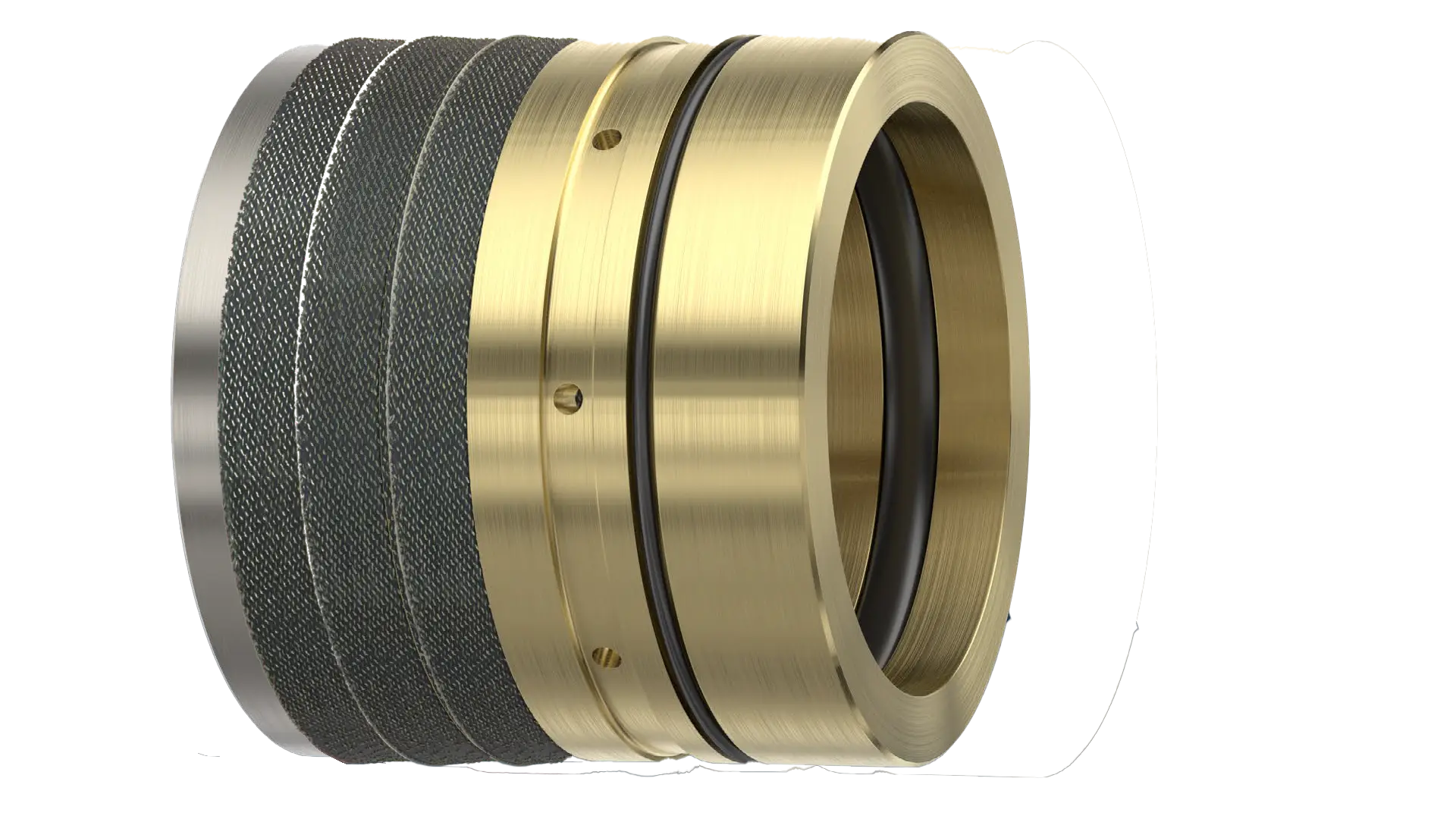
The stringent demand for reliability in sealing technologies stems from these critical concerns. Aramid seals offer a compelling solution with their exceptional durability and resistance to harsh chemicals and extreme temperatures encountered in oil and gas applications. By enhancing seal integrity, aramid seals play a pivotal role in mitigating leakage risks. Their adoption underscores an industry-wide commitment to operational excellence, environmental stewardship, and safeguarding human life—a testament to their indispensable value in the petroleum sector’s quest for sustainable practices.
Advantages Of Aramid Seals For Oil Drilling Operations
In the demanding and high-stress environments of oil drilling operations, the integrity and performance of every component are critical for safety, efficiency, and cost-effectiveness. This is where aramid seals stand out as an indispensable solution. Aramid fibers, renowned for their strength and resistance to heat, chemicals, and wear, offer several advantages when utilized in seals for oil drilling applications.
The exceptional durability of aramid seals ensures that they can withstand the extreme pressures and temperatures encountered during drilling processes without degrading. This durability translates into fewer maintenance requirements and replacements, ensuring continuous operation and reducing potential downtime. Moreover, their resistance to harsh chemicals means that aramid seals can effectively prevent leaks of corrosive fluids, protecting both equipment and the environment from potential harm.
Aramid seals also contribute significantly to operational safety. Their robustness minimizes the risk of seal failure, which could lead to catastrophic incidents including blowouts or spills. By providing a reliable sealing solution even under harsh conditions, these seals help maintain the integrity of drilling operations.
In essence, incorporating aramid seals into oil drilling operations offers a blend of reliability, safety, and cost-efficiency that is hard to match with other materials.
Enhancing Gas Production Efficiency With Aramid Seals
Enhancing gas production efficiency within the oil and gas sector is a critical objective, and the introduction of aramid seals has marked a significant advancement towards achieving this goal. Aramid fibers, known for their exceptional strength and heat resistance, offer unparalleled performance in extreme conditions. In the context of gas production, efficiency hinges on maintaining system integrity under high pressure and temperature variations.
Aramid seals excel in this environment by providing superior sealing capabilities that minimize leaks and prevent unplanned downtimes.
The inherent robustness of aramid seals ensures that they can withstand the abrasive nature of particulates present in natural gas streams, thereby reducing wear and tear on critical components. This durability extends the lifespan of equipment, lowering maintenance costs and reducing the frequency of seal replacements. Moreover, their exceptional chemical resistance means they are less likely to degrade in hostile environments, ensuring a consistent seal over time.
By adopting aramid seals, operators in the oil and gas sector can achieve a more reliable production process. This reliability translates into enhanced operational efficiency as it allows for uninterrupted production flows at optimal rates, maximizing output while minimizing waste and environmental impact. As such, aramid seals play an indispensable role in bolstering gas production efficiency through their superior performance characteristics.
The Role Of Seal Materials In Industry Applications
The role of seal materials in industry applications, particularly within the oil and gas sector, cannot be overstated. These materials are fundamental to ensuring the integrity and efficiency of operations across various stages of production and processing. Seals are tasked with preventing the leakage of fluids or gases, maintaining pressure differentials, and protecting machinery components from contamination. This is critical not only for operational efficiency but also for safety and environmental protection.
In these high-demand scenarios, the choice of seal material becomes paramount. The material must withstand a range of challenges including extreme temperatures, corrosive chemicals, high pressures, and mechanical wear. A failure in a sealing system can lead to catastrophic outcomes such as equipment breakdowns, production halts, environmental pollution, or even life-threatening accidents.
The selection of seal materials is thus a strategic decision that influences maintenance schedules, operational costs, safety protocols, and environmental compliance. It underscores the need for materials like aramid fibers that offer superior performance characteristics tailored to meet the rigorous demands of the oil and gas industry. In essence, effective sealing solutions powered by advanced materials like aramid ensure reliability and safety in an inherently challenging sector.
Innovations In Sealing Technology For The Oil And Gas Sector
Innovations in sealing technology for the oil and gas sector have been pivotal in enhancing operational efficiency, safety, and environmental sustainability. Among these advancements, the integration of materials like aramid fibers into seal designs stands out. Aramid seals represent a significant leap forward due to their exceptional durability and resistance to extreme temperatures and pressures, conditions that are commonplace in the oil and gas industry.
The evolution towards using such advanced materials has been driven by the sector’s need to mitigate risks associated with leakage and seal degradation. Traditional seals often fell short in harsh operational environments, leading to costly maintenance and potential safety hazards. Aramid fibers have changed this narrative by offering superior performance characteristics. Their inherent strength and thermal stability ensure that seals can withstand aggressive chemicals and abrasive conditions without compromising their integrity.
Moreover, these innovative sealing solutions contribute to environmental protection efforts by minimizing leaks that could lead to contamination. As the industry continues its pursuit of more reliable and sustainable operations, aramid seals exemplify how material science advancements are being leveraged to meet these critical challenges head-on, offering a glimpse into the future of oilfield technologies.